
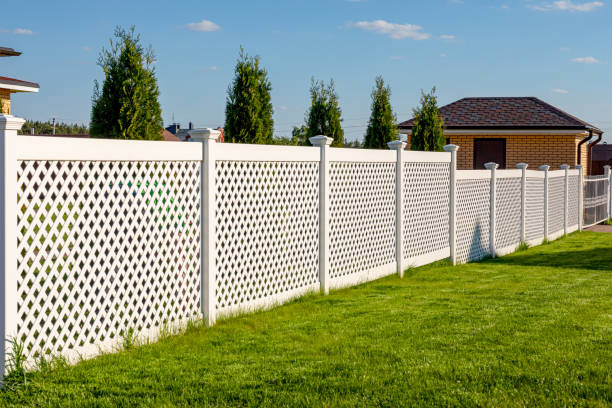

Vinyl privacy fences are a durable and low-maintenance alternative to traditional wood fences. However, proper installation techniques are crucial to ensure they remain stable, secure, and long-lasting. At Gifford Fence Company LLC, we have developed specific methods to reinforce the strength of vinyl privacy fences, ensuring they withstand harsh weather conditions while maintaining security. Below, we outline key steps and best practices for installing a vinyl privacy fence properly.
- Securing the Fence Posts with Concrete
A vinyl privacy fence is only as strong as its foundation, which starts with properly securing the posts. Unlike wood fences that rely on screws and fasteners, vinyl fences have a modular construction where panels fit together without external hardware. While this design is beneficial for flexibility during storms, it poses security risks if not installed correctly.
To counteract this, we secure all fence posts with at least 60 pounds of concrete at a depth of 3 feet. This ensures that each post remains firmly in place, reducing the risk of shifting over time. However, it is essential to avoid shaking the post after wetting the concrete. Doing so can create a gap between the post and the concrete, leading to instability even after the concrete has fully set. We recommend waiting at least 48 hours before using gates to prevent unnecessary movement in hinge and latch posts.
- Reinforcing the Top Rail for Stability
One of the weaknesses of a modular vinyl fence design is the top rail’s connection to the posts. The fence rails typically have small plastic tabs designed to lock them in place within the post. However, these tabs can break or may not fit securely against the post wall. If the rail is loose, it can be easily pulled out, compromising the strength and security of the fence.
To prevent this issue, we install a screw in the top rail inside the post wall. This screw holds the rail firmly in place, preventing it from being pulled out. Additionally, securing the rail in this manner helps pull the fence posts and panels together, enhancing the overall strength of the structure. This simple but effective technique addresses one of the biggest issues with vinyl privacy fences while adding extra stability.
- Custom-Building Gates for Durability
Vinyl gates require special attention during installation to ensure they remain level and functional over time. Unlike the rest of the fence, gates are subject to frequent movement, which can lead to sagging if not properly supported.
One crucial step in gate installation is adding a cross-member support. Without this reinforcement, the gate will gradually sag due to gravity and repeated use. To prevent this, we install a support brace running diagonally from the top hinge-side upright to the bottom latch-side upright. There are several options for this, including matching vinyl V-braces or black metal supports. For a 6-foot tall fence, the support should be at least 8 feet long to provide adequate stability. Properly reinforcing the gate ensures it remains functional and aesthetically pleasing for years to come.
- Protecting the Fence with a Clear Sealer
While vinyl fences are marketed as lifetime solutions, they can still be affected by environmental elements. One of the best ways to prolong the lifespan of your vinyl privacy fence is by applying a clear sealer. This protective coating helps shield the fence from dirt, mildew, and UV damage, keeping it looking clean and new for longer.
Clear sealers are particularly beneficial in areas with high humidity or frequent rain, as they prevent discoloration and buildup of grime. Unlike wood fence, which require regular staining to maintain their appearance, vinyl fences benefit from an occasional application of a clear sealer to maintain their pristine look.
- Comparing Vinyl and Wood Fence Maintenance
While vinyl fencing offers excellent durability and minimal maintenance, some homeowners still prefer the classic appeal of wood fences. One major difference between the two is that wood requires staining and sealing to protect against rot, insects, and weather damage. With a vinyl fence, the need for maintenance is significantly reduced, making it a more convenient option for many homeowners.
If you prefer the look of a wood fence but want to minimize maintenance, choosing a stain or clear sealer with a wood grain texture on vinyl panels can provide a similar aesthetic with added durability. Some high-end vinyl fences even mimic the look of natural wood, offering the best of both worlds.
Conclusion: Ensuring a Long-Lasting Vinyl Fence
By following these best practices, you can install a vinyl privacy fence that is not only secure but also durable and long-lasting. Key steps include:
- Using at least 60 lbs of concrete per post for a firm foundation.
- Securing the top rail with a screw to prevent movement.
- Adding a cross-member support to reinforce gates and prevent sagging.
- Applying a clear sealer to maintain the fence’s appearance over time.
While vinyl fences offer a lifetime solution, proper installation is the key to ensuring they truly last. Whether you are installing a new fence or upgrading an existing one, these techniques will provide the strength and security needed for years of use.