
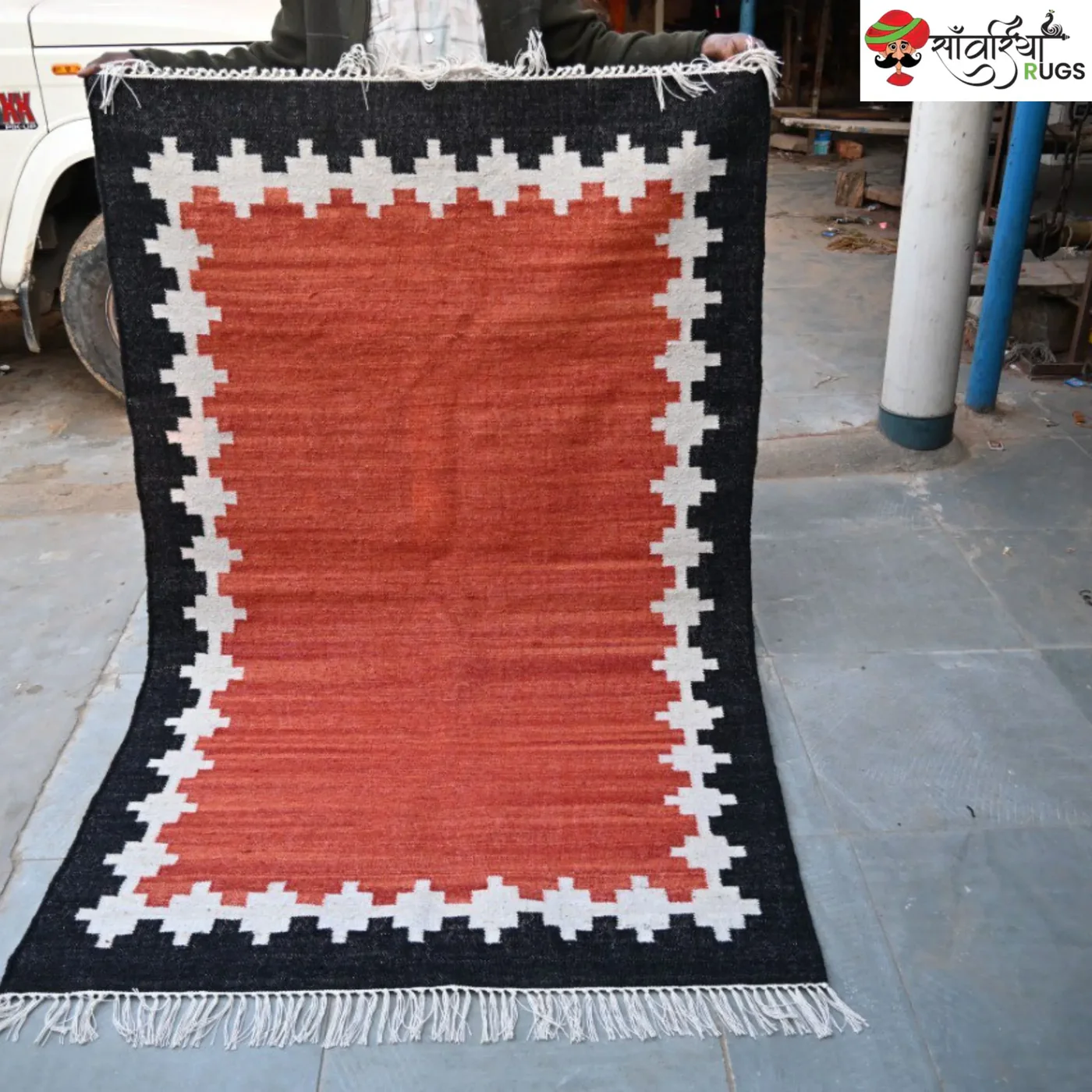

Wool is the best material for most tribal rugs—it’s durable, color-fast, and handles heavy foot traffic well. Cotton works for lighter use in warm climates, while blended fibers offer a cost-effective middle ground. The right choice depends on your room, climate, and budget.
Tribal rugs have earned their reputation for a reason. Bold geometric patterns, rich colors, and a sense of cultural depth—these rugs do more than cover a floor. They anchor a room. But even the most beautifully crafted tribal rug will underperform if it’s made from the wrong material for your home.
Material choice affects everything: how the rug feels underfoot, how long it lasts, how easy it is to clean, and how well it holds color over time. Whether you’re shopping for handcrafted rugs in Delhi or looking to buy carpets online in India, knowing the difference between wool, cotton, and blended fibers helps you spend wisely.
Here’s a clear breakdown of each option.
Wool: Why It Remains the Top Choice for Tribal Rugs
Wool has been the material of choice for tribal rugs for centuries—and that’s not nostalgia talking. It’s simply the most practical fiber for the job.
What makes wool so durable?
Wool fibers are naturally crimped, which gives them a built-in resilience. They spring back after compression, meaning the rug holds its shape even in high-traffic areas like hallways, living rooms, and entryways. A well-made wool tribal rug can last 20 to 50 years with proper care.
Wool also resists staining at a structural level. Each fiber has a natural protective coating that repels liquid before it soaks in, giving you time to blot spills before they set.
How does wool handle color over time?
Wool accepts natural dyes exceptionally well. The colors stay vivid without fading—even after years of sunlight exposure and regular use. This matters a great deal with tribal rugs, where the pattern and color are the whole point.
Where does wool work best?
-
High-traffic rooms: living rooms, hallways, dining areas
-
Homes with children or pets
-
Cooler climates where natural insulation is a bonus
-
Long-term investments where durability is the priority
The tradeoff: Wool rugs cost more upfront and require professional cleaning for deep stains. But for most buyers, the longevity justifies the investment.
Cotton: The Lightweight Alternative Worth Considering
Cotton tribal rugs occupy a different space in the market. They’re lighter, more affordable, and easier to maintain—but they serve a different purpose than wool.
What are the practical benefits of cotton tribal rugs?
Cotton is breathable and soft underfoot, which makes it comfortable in warmer spaces. It’s also machine-washable in many cases, which significantly reduces maintenance effort. For households that want a tribal rug aesthetic without the upkeep demands of wool, cotton is a reasonable option.
Cotton also holds up well in flat-weave and kilim-style tribal designs, where the pattern is woven into the structure rather than knotted into the pile.
Where does cotton work best?
-
Bedrooms and reading nooks with lighter foot traffic
-
Warmer climates where breathability matters
-
Seasonal or rotating use (e.g., summer rugs swapped out in winter)
-
Buyers with a tighter budget who still want tribal patterns
The tradeoff: Cotton wears faster than wool. It’s less resilient under heavy use, and colors may fade more quickly over time. For a centerpiece rug in a main living area, wool or a blend will serve you better long-term.
Blended Fibers: The Practical Middle Ground
Wool-cotton blends have grown in popularity for good reason. They combine the strengths of both fibers while reducing some of the weaknesses.
What do blended fiber tribal rugs actually offer?
A typical wool-cotton blend (often 80% wool, 20% cotton) gives you wool’s durability with cotton’s softness underfoot. The result feels more plush than pure wool and holds up better than pure cotton. Blended rugs also tend to be more stain-resistant than cotton alone, because the wool component provides that natural protective barrier.
From a cost standpoint, blends often come in at a lower price point than 100% wool rugs while still delivering solid performance.
Where do blended fiber rugs work best?
-
Medium-traffic rooms: bedrooms, home offices, guest rooms
-
Varied or mixed climates
-
Buyers who want quality without paying full wool prices
-
Spaces where softness and durability both matter
The tradeoff: Blends don’t quite match the lifespan of a pure wool rug, and the long-term color retention isn’t as strong. If you’re buying a tribal rug as a lasting investment, pure wool still wins.
Key Factors to Consider Before You Buy
Choosing between wool, cotton, and blended fibers comes down to your specific situation. Here’s a practical checklist:
-
Traffic level: High-traffic rooms need wool. Lighter-use spaces can work with cotton or blends.
-
Climate: Wool suits cooler environments. Cotton breathes better in heat.
-
Budget: Cotton is the most affordable upfront. Wool costs more but lasts longer. Blends sit in between.
-
Maintenance: Cotton is easiest to clean at home. Wool requires more careful handling. Blends fall somewhere in the middle.
-
Design intent: If the rug is a long-term statement piece, invest in wool. If it’s a flexible accent that you might rotate, cotton or a blend works fine.
Why Handcrafted Tribal Rugs in Delhi Make a Difference
Material matters—but so does craftsmanship. A poorly made wool rug won’t outperform a well-made cotton one. The quality of the weave, the tightness of the knots, and the consistency of the dye work all determine how a rug actually performs in your home.
Handcrafted rugs in Delhi, particularly those sourced from Bhadohi—India’s largest hub of hand-knotted carpet weaving—represent a different standard than mass-produced alternatives. Artisans in this region have refined their techniques across generations, producing rugs with precise knotting, even pile height, and colors that hold.
Brands like The Ambiente, founded by Avani Khandelwal and backed by 30+ years of expertise through parent company Bhadohi Carpets, work directly with over 4,000 artisan weavers—the majority of whom are women—to produce rugs that meet both aesthetic and functional standards. Their integrated network of artisans, designers, and architects ensures that every rug is built with intention, not just assembled for volume.
When you buy carpets online in India from reputable makers like these, you’re not just purchasing a floor covering. You’re supporting a supply chain that values skill, authenticity, and fair livelihoods.
The Material Decision Comes Down to Your Home, Not Trends
Wool offers longevity and color resilience—it’s the right call for most tribal rugs in most homes. Cotton serves well in lighter-use settings and warmer climates. Blended fibers give you a balanced option when budget and performance both need to be considered.
Before you buy, think about your room’s traffic, your local climate, and how much maintenance you’re realistically willing to do. Then choose accordingly. A good tribal rug bought with the right information will serve your home for decades.
If you’re ready to shop handcrafted tribal rugs with genuine material quality, explore The Ambiente’s collection at theambiente.in or visit their flagship store in Sultanpur, New Delhi.
Frequently Asked Questions
Is wool or cotton better for tribal rugs in high-traffic areas?
Wool is significantly better for high-traffic areas. Wool fibers are naturally resilient—they compress and recover under repeated foot traffic, and they resist staining better than cotton. Cotton wears down faster and is better suited to low-traffic spaces.
How long do wool tribal rugs typically last?
A well-made, hand-knotted wool tribal rug can last anywhere from 20 to 50 years with proper care. Handcrafted rugs in Delhi from skilled artisans tend to outlast machine-made alternatives by a wide margin.
Can I buy quality handcrafted tribal rugs online in India?
Yes. Reputable brands like The Ambiente allow you to buy carpets online in India with confidence. Look for brands that are transparent about their weaving techniques, materials, and artisan sourcing. Customer reviews and detailed product descriptions are good indicators of quality.
Are blended fiber rugs worth buying?
Yes, for the right situation. Wool-cotton blends deliver solid durability and comfort at a lower price than pure wool. They’re a practical choice for medium-traffic rooms and buyers balancing performance with budget.
What is the easiest tribal rug material to maintain?
Cotton is the easiest to maintain—many cotton rugs can be machine-washed at home. Wool requires more careful cleaning (typically professional cleaning for deep stains) but naturally repels surface spills. Blended rugs fall in between in terms of care requirements.
Why does buying from handcrafted rug makers matter?
Handcrafted rugs are made with tighter knot density, more consistent pile height, and better dye quality than mass-produced options. Sourcing from established makers—especially those rooted in India’s traditional weaving hubs like Bhadohi—also supports sustainable artisan livelihoods and preserves traditional techniques.